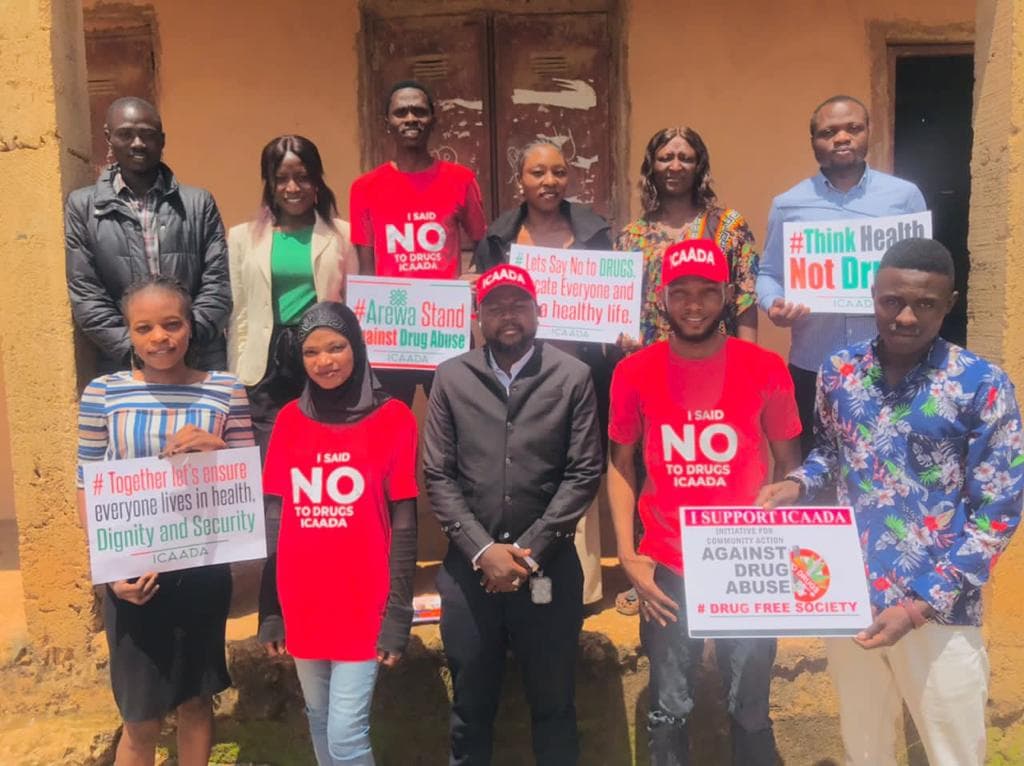
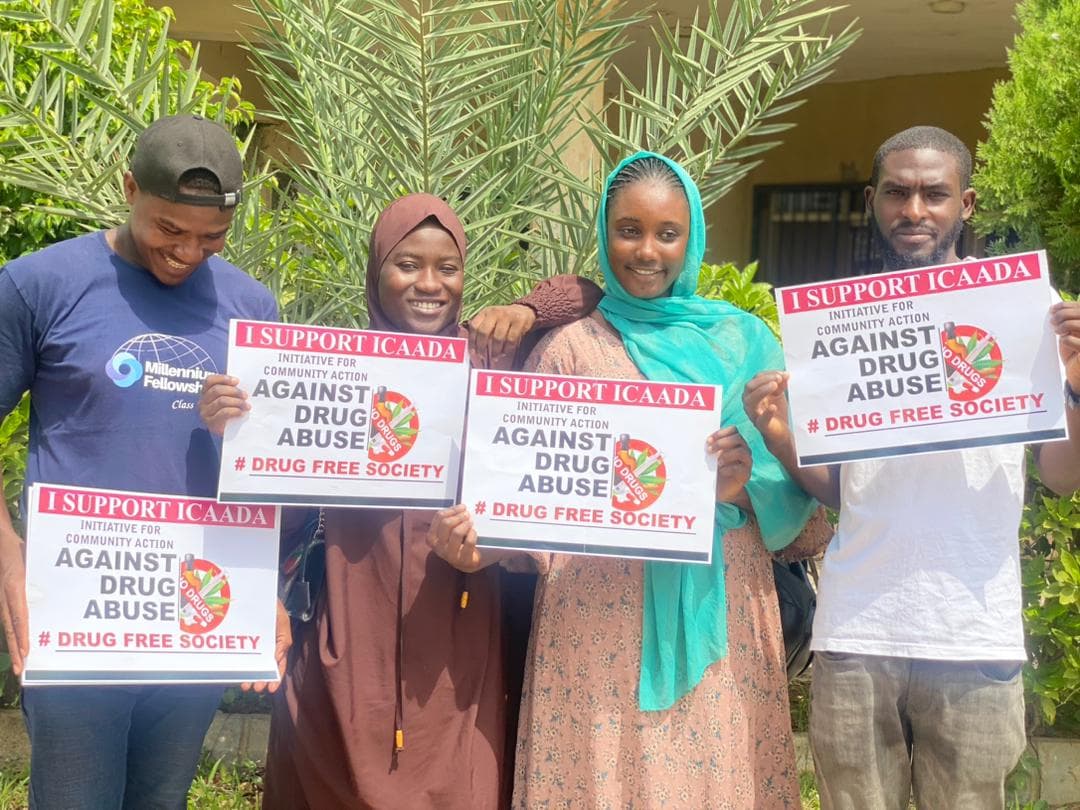
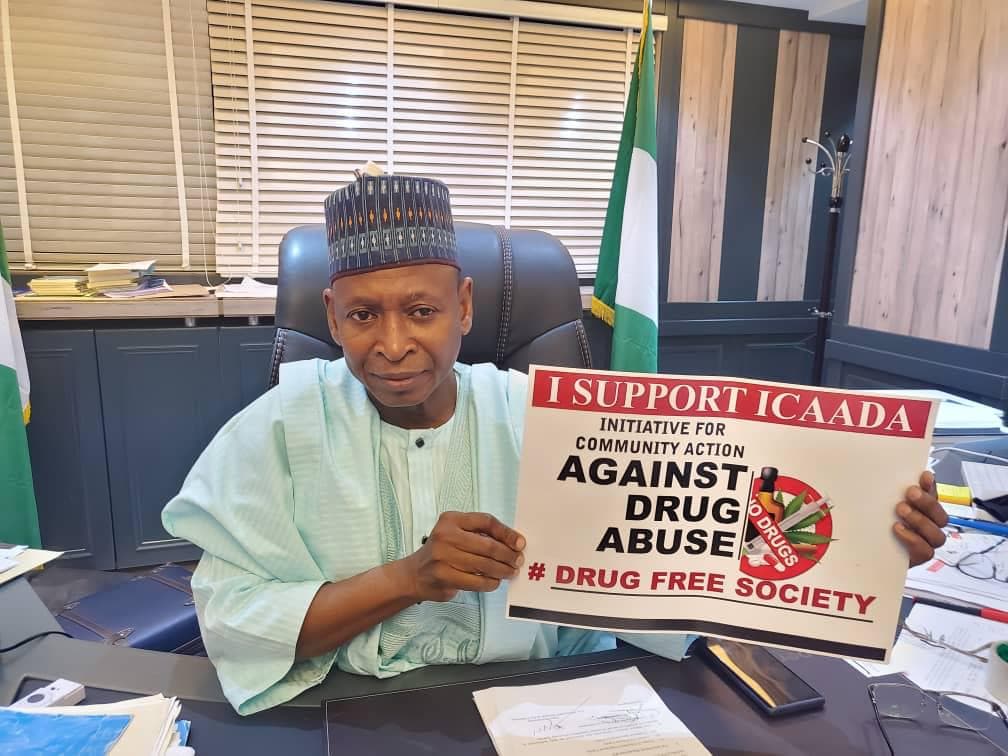
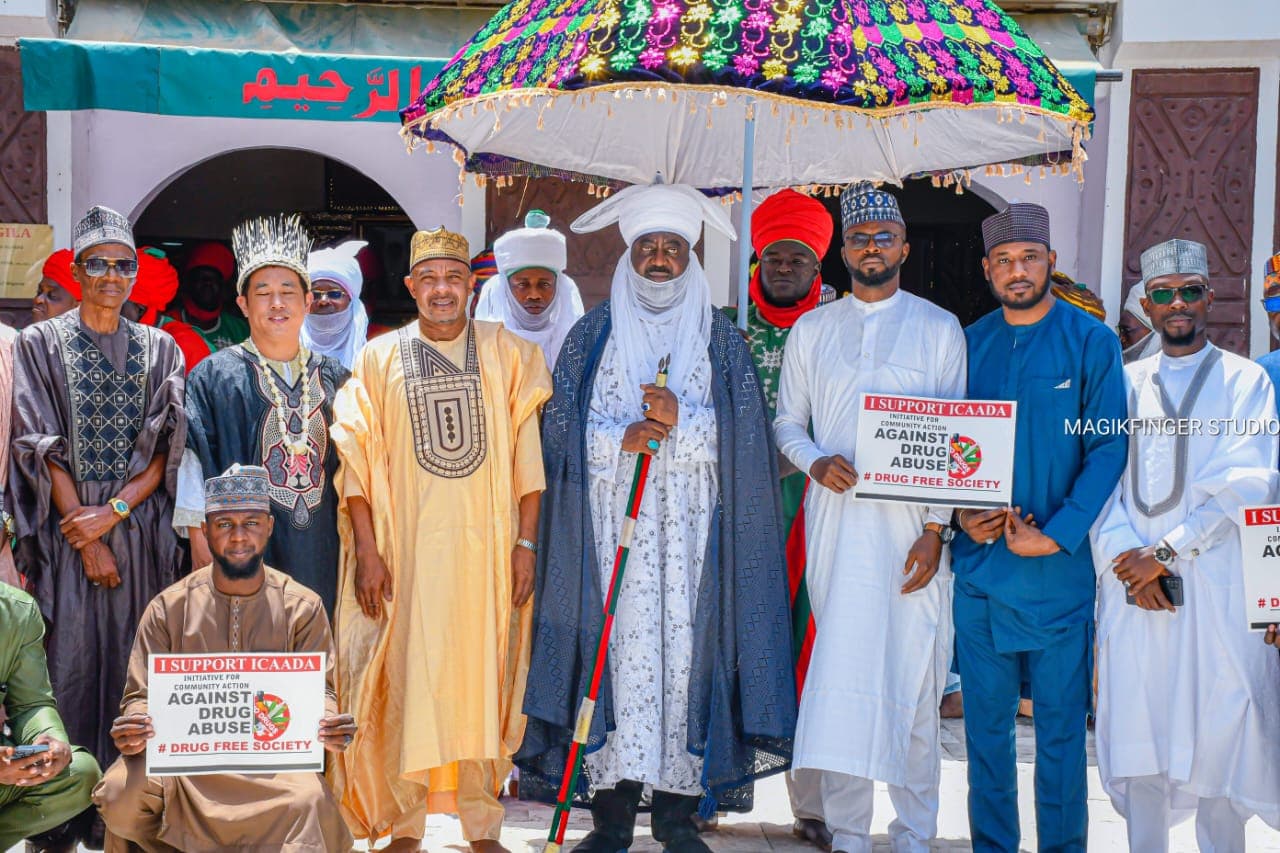
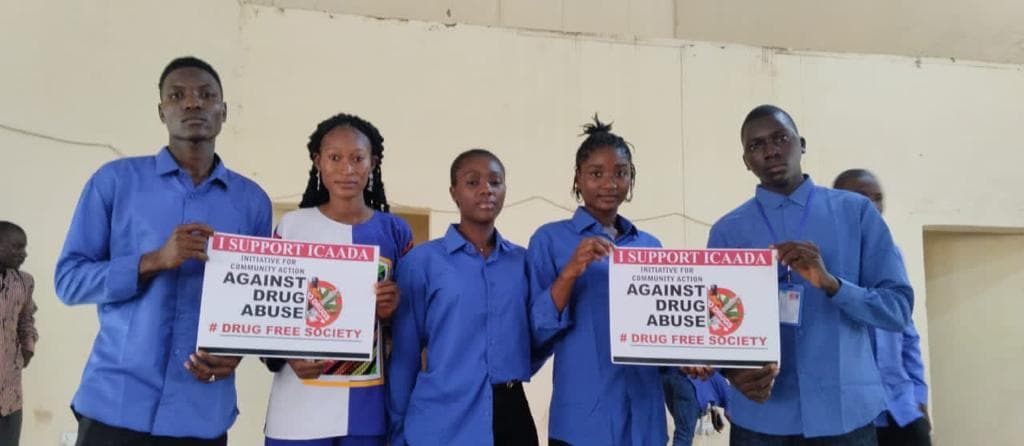
Change begins with the community.
ICAADA mobilises communities to take collective, practical action against drug abuse and build healthier, more resilient futures.
Drug abuse is a community challenge affecting health, education, families, livelihoods, security and the future of young people.
Drug abuse is a community challenge.
Communities are often the first to observe warning signs. ICAADA helps transform that potential into organised, coordinated and measurable community action.
Families, teachers, traditional leaders, religious leaders and youth networks can play critical roles in prevention and early support.
Why ICAADA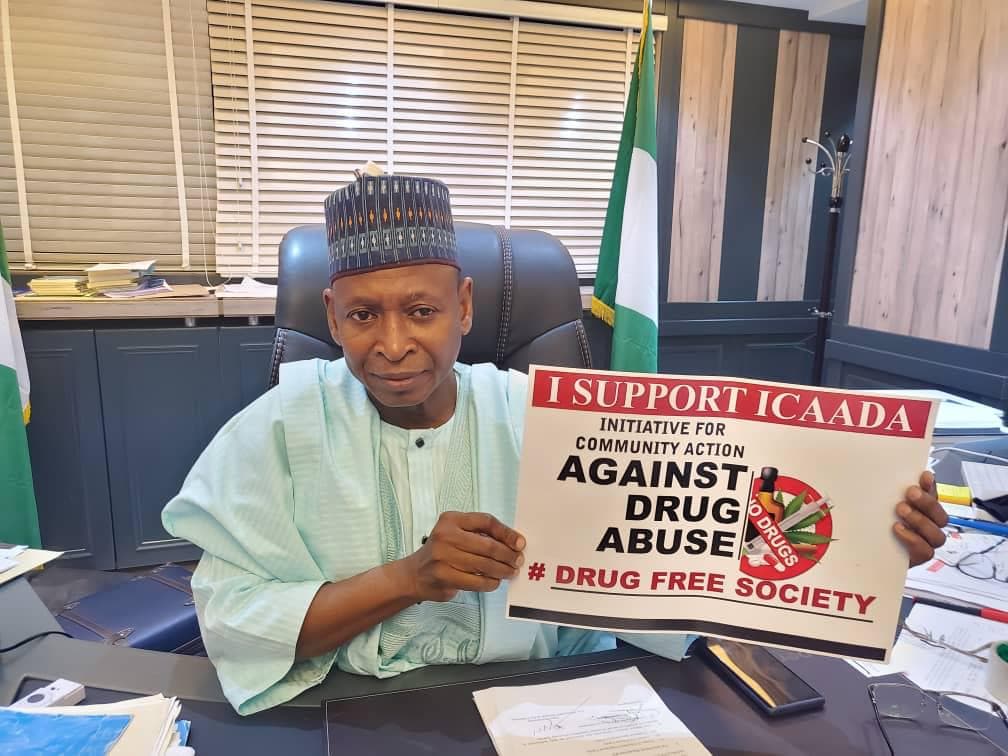
Sustainable solutions are built with the community, not simply delivered to it.
A six-stage Community Action Model.
ICAADA’s methodology moves beyond one-off awareness campaigns toward practical, locally appropriate and sustainable systems.
Map
Understand community vulnerabilities, risks, services and existing resources.
Mobilise
Bring together community leaders, young people, institutions and partners around a shared action plan.
Pilot
Test practical, locally appropriate interventions in selected communities.
Measure
Track implementation, quality, participation, outcomes and lessons.
Scale
Expand interventions that demonstrate value and effectiveness.
Institutionalise
Embed successful approaches into community, LGA, state and partner systems for long-term sustainability.
Seven priorities. One connected response.
Our strategic priorities connect prevention, resilience, support, evidence, safety and partnership across Northern Nigeria.
Community Prevention
We support communities to understand the causes, risks and consequences of drug abuse and develop locally relevant prevention mechanisms.
Explore community preventionYouth Empowerment & Resilience
Practical alternatives and opportunities that put young people at the heart of prevention.
03Treatment, Rehabilitation & Reintegration
Compassionate, recovery-oriented connections to appropriate support.
04Family & Community Support
Stronger communication, early support and positive social environments.
05Traditional & Religious Institutions
Equipping trusted institutions to contribute responsibly to prevention and referral.
06Research, Data & Policy
Evidence, learning and policy dialogue for continuously improving action.
07Community Safety & Strategic Partnerships
Responsible collaboration within the mandates of communities and institutions.
Building healthier communities requires collective action.
Selected stakeholder perspectives are shown here as replaceable placeholders until verified names, roles, organisations and statements are supplied.
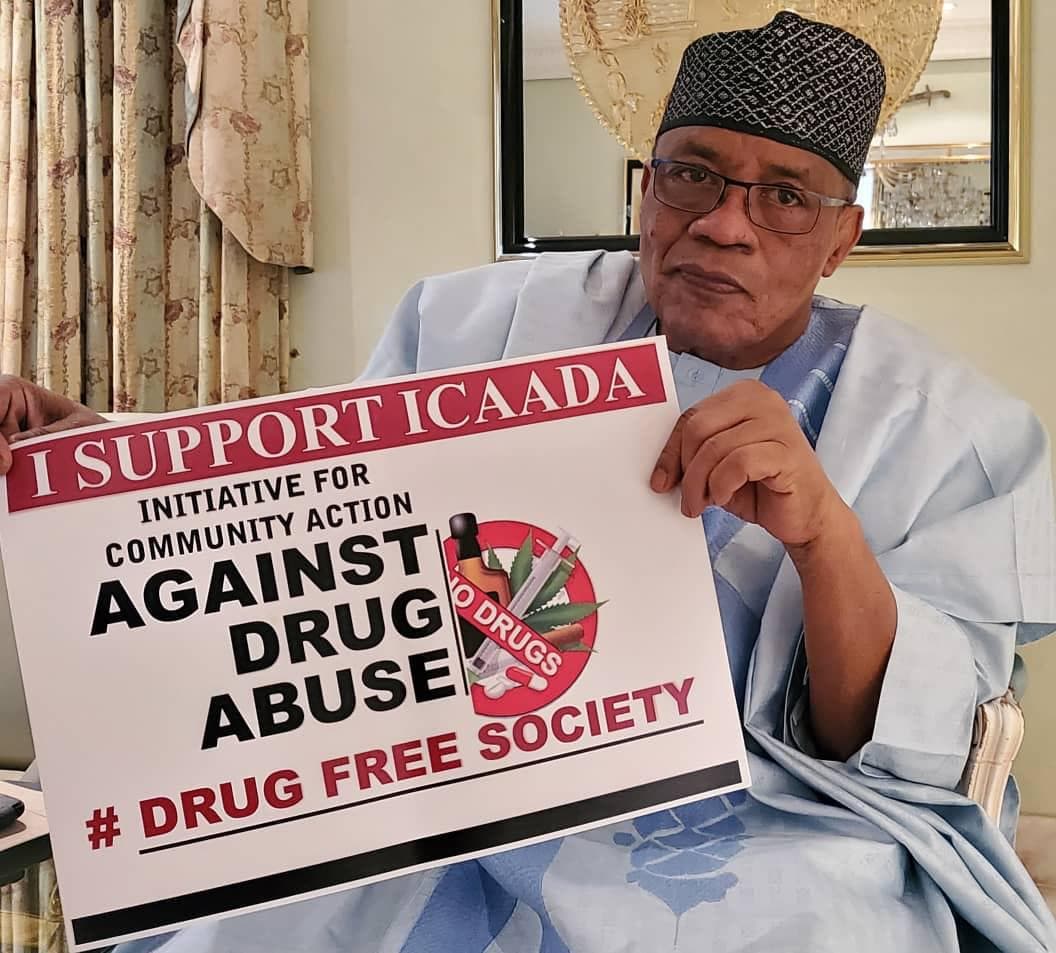
“I call on stakeholders to support ICAADA in combating the abuse and use of illicit drugs.”
General Ibrahim Badamasi Babangida, popularly known as IBB, served as Nigeria's military head of state and self-styled 'Military President' from August 27, 1985, until his resignation on August 26, 1993.
Respected voices supporting community action.
Hear directly from voices connected to the movement for healthier and more resilient communities. All names, roles and clips below are placeholders for verified material.
A stakeholder's perspective
Ibrahim Badamasi BabangidaFormer Military Head of StateA regional platform for sustained community action.
Northern Nigeria Drug Abuse Prevention and Community Action Summit
An envisioned platform for bringing together key stakeholders to develop a shared regional response to drug abuse.
View the envisioned programmeFrom awareness to action. From projects to lasting systems.
The scale and complexity of drug abuse require a response that is collective, coordinated and sustained.
Get involved with ICAADA